
Yellowbelly Lures Made for Aussie Rivers and Dams

Available in 4 depths, 10ft, 15ft, 25ft and the Malibu surface lure.
Lures That Suit Golden Perch Fishing
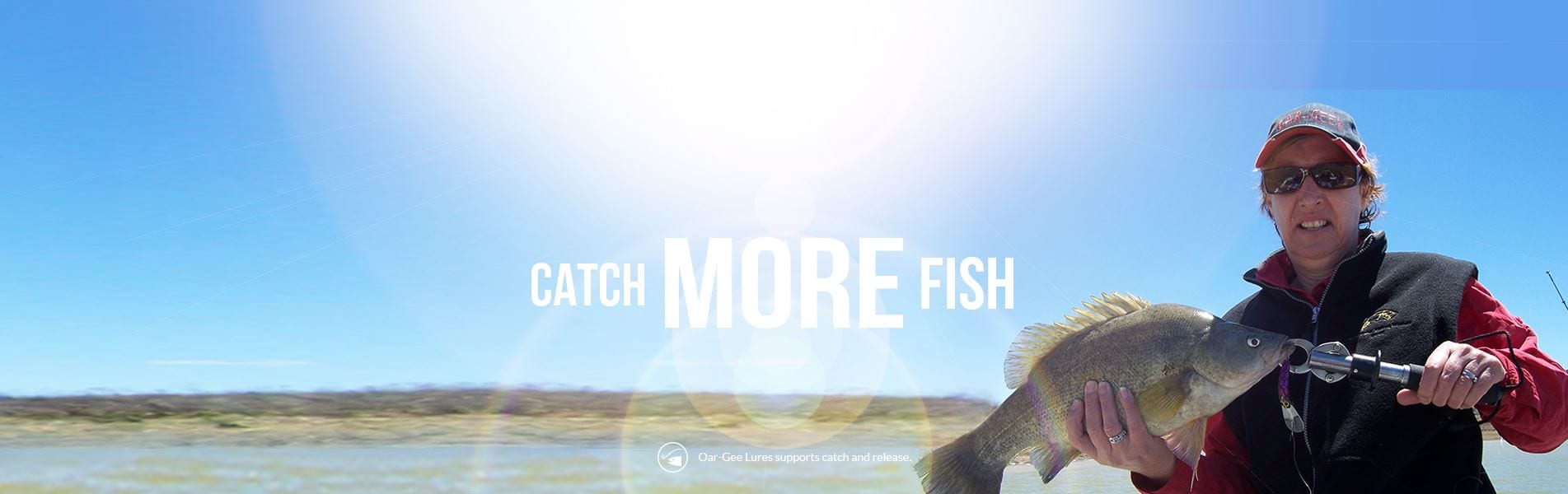
Yellowbelly, Golden Perch or Callop are common names for one of Australia’s most popular freshwater sportfish. Found across rivers and dams in NSW, VIC, SA and QLD, they’re an accessible fish that hit hard, fight well, and taste great on the table.
But they’re also smart. Getting consistent results comes down to understanding the right yellowbelly lures, from size and colour to depth and how you work them.
Why Golden Perch Need a Specific Approach
Unlike Murray cod, which thrive on big profiles and heavy vibration, yellowbelly often respond best to subtler lures and refined techniques. Key things to keep in mind:
- Smaller profiles: 50-75mm lures are ideal, large enough to attract attention but not oversized.
- Action: Yellas love a selection of lures ranging from a small body with a wide action to a tight shimmy or roll from a Shad style thinner profile lure, especially in dams where baitfish are their main food source.
- Depth control: In rivers, shallow and mid-depth lures are useful; in dams, deeper diving lures get you in the zone.
Durability: Snags are still part of the deal, so a strong lure body and bib are musts. It is essential to have sharp small hooks size 6-4 in VMC trebles
The Best Sizes for Yellowbelly Lures
- Small to Mid (50–75mm): Perfect for finesse fishing in rivers, especially during cooler months when yellas can be sluggish. The Oar-Gee 60mm Plows, Pee-Wee and Shads
- Medium (75–100mm): Another versatile choice for dams, slow trolling in the shallow water or close to banks, or running water during the summer months, this size lure will also handle any Cod cruising around the 75mm and 100mm Plows are suitable and at their best in these conditions.
Many anglers carry both, starting small if fish are quiet, then upsizing when they’re on the bite.
Yellowbelly Lure Colours That Work
Golden perch can be picky with colour, especially in clear impoundments. Here are some favourites:
- Natural tones: Silvers, golds, and baitfish patterns are great in clear water.
- Bright flashes: Chartreuse, orange, and fluoro yellow stand out in dirty rivers or low-light conditions.
- Dark contrasts: Black, purple, and deep reds can be deadly in dams at night.
The key? Rotate until you find what works, yellowbelly often school, so once you crack the code, expect multiple fish.
Techniques for Catching More Yellas
A good lure only works if you use it right. Proven methods include:
- Slow rolling: A steady retrieve that keeps the lure wobbling close to the bottom, deadly in dams.
- Pause and twitch: Especially effective when yellas are sluggish; a pause can trigger reaction bites.
- Trolling edges: Covering water along drop-offs and weed beds is a reliable way to find schools.
- Casting structure: Submerged timber, rocky points, and edges of weed beds are prime yellowbelly spots.
Why Locally Made Yellowbelly Lures Work Best
Golden perch are uniquely Aussie, and Oar-Gee Lures are designed with that in mind. Built to balance wide action with strength, these lures hold up against snags while keeping the finesse needed to tempt yellas.
For anglers fishing classic spots like Windamere Dam, Blowering, Hume Weir, or the Darling River, locally designed Oar-Gee lures give a real edge.
Fish Smarter With the Right Yellowbelly Lures
Targeting yellowbelly isn’t just about luck; it’s about matching your lure to the conditions. The right size, colour, and retrieve can turn a slow day into a session full of action.
Check out the full Oar-Gee range of lures designed with golden perch in mind, and see which colours and depths suit your local water best.
FAQs
What size lure works best for yellowbelly?
Smaller lures (50–75mm) are great for rivers, while medium-sized lures (75–100mm) suit dams and active schools.
Do yellowbelly prefer bright or natural lure colours?
It depends on water clarity. Natural tones suit clear water, while bright colours and darker contrasts work better in murky conditions or at night.
Is trolling or casting better for golden perch?
Both work. Trolling helps locate fish in open water, while casting lets you target specific structures like snags and points.
Can you catch yellowbelly year-round?
Yes, but they’re most active in warmer months, especially in spring and early summer. Check your local regulations for bag and size limits as each state varies.